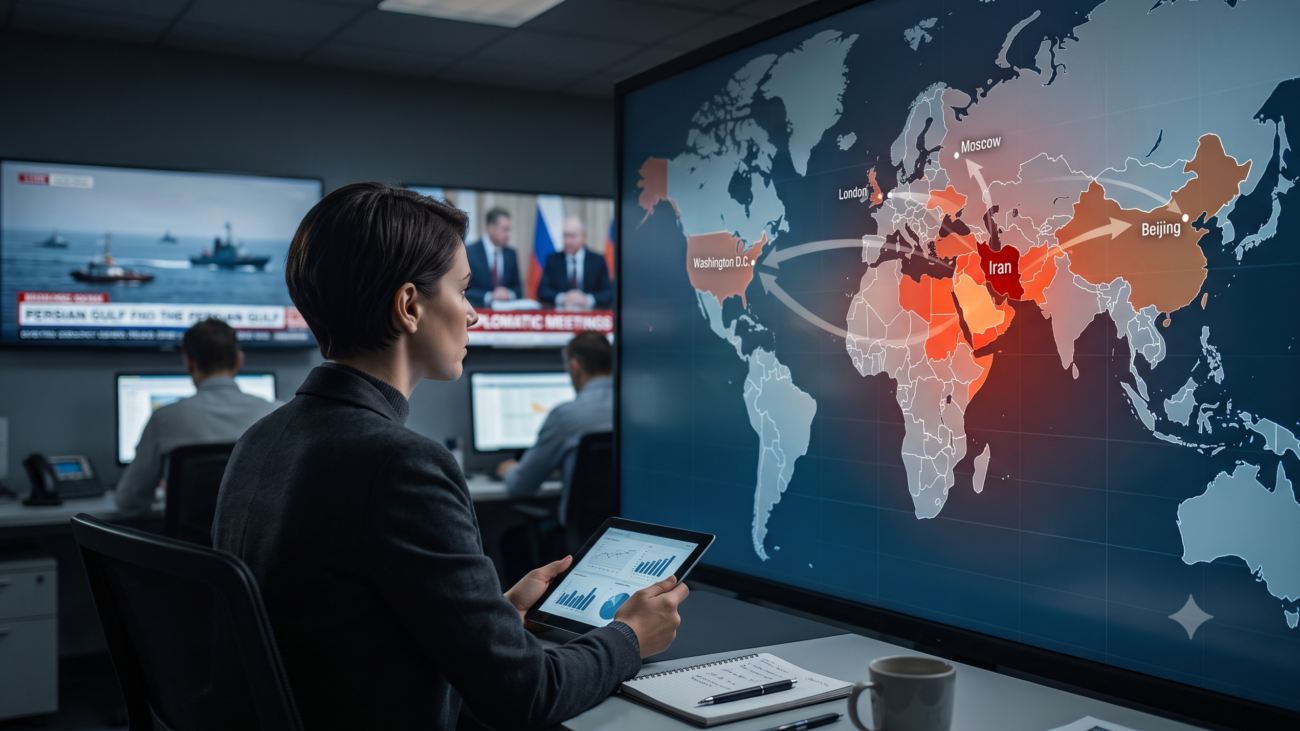
The Middle East has once again become the center of global attention in 2026. The ongoing Iran conflict has evolved into one of the most significant geopolitical crises of the decade, influencing international diplomacy, global trade, energy markets, and military alliances. What initially appeared to be a regional confrontation has now transformed into a global issue with far-reaching consequences for governments, businesses, and citizens around the world.
As tensions continue to rise, world leaders are balancing diplomatic efforts with national security concerns while international markets react to uncertainty. The crisis has highlighted how interconnected today’s world has become, where events in one region can quickly impact economies and political decisions across continents.
Understanding the 2026 Iran Conflict
The current crisis stems from escalating tensions involving Iran, Israel, the United States, and several regional actors. Military operations, retaliatory strikes, and disputes over strategic waterways have intensified concerns about the possibility of a wider regional conflict. Although diplomatic negotiations continue, the situation remains highly volatile, with several countries urging restraint and peaceful dialogue.
Beyond military developments, the conflict has become a test of international diplomacy. Major global powers, including the United States, European nations, Russia, China, and regional organizations, are attempting to protect their strategic interests while preventing further escalation.
Global Energy Markets Face New Challenges
One of the most immediate impacts of the crisis has been on global energy markets. The Strait of Hormuz remains one of the world’s most important maritime routes for oil transportation. Any disruption in this region has the potential to affect millions of barrels of crude oil shipped daily.
As tensions increased, global oil prices experienced significant volatility. Although strategic petroleum reserves and increased production from some countries have helped moderate price spikes, experts continue to warn that prolonged disruptions could lead to higher inflation and slower global economic growth.
Countries heavily dependent on imported oil, particularly in Asia, are closely monitoring developments. Governments are also accelerating investments in renewable energy and diversifying their energy sources to reduce dependence on geopolitically sensitive regions.
Supply Chains Under Pressure
The conflict has also exposed vulnerabilities in global supply chains. Shipping companies are reconsidering routes through the Middle East due to security risks and higher insurance costs. Delays in maritime transportation can affect industries ranging from manufacturing and automotive production to pharmaceuticals and consumer goods.
Businesses worldwide are responding by diversifying suppliers, increasing inventory levels, and investing in more resilient logistics networks. This reflects a broader trend of companies adapting to geopolitical uncertainty rather than assuming stable international trade conditions.
Changing Global Alliances
Another significant consequence of the Iran conflict is the reshaping of international alliances.
Countries in the Middle East are reassessing their security partnerships while maintaining delicate diplomatic relationships with competing global powers. Meanwhile, organizations such as NATO and regional security forums are increasingly focused on addressing instability beyond Europe.
The conflict has also strengthened strategic cooperation among countries seeking to secure energy supplies, protect maritime trade routes, and maintain regional stability. At the same time, emerging powers are playing a larger diplomatic role in negotiations aimed at reducing tensions.
Economic Consequences Beyond the Middle East
The economic effects extend far beyond the conflict zone.
Higher transportation costs, fluctuating energy prices, and market uncertainty have affected financial markets worldwide. Investors generally respond cautiously during geopolitical crises, leading to increased volatility in stock markets, commodity prices, and currency exchange rates.
International organizations have also revised global growth forecasts to reflect the risks associated with prolonged instability. Inflation remains a concern for many countries already recovering from previous economic challenges, making the crisis particularly significant for policymakers and central banks.
The Growing Importance of Diplomacy
Despite military developments, diplomacy remains the most important tool for preventing a wider regional conflict.
International meetings involving major world powers continue to focus on ceasefire proposals, humanitarian assistance, maritime security, and nuclear concerns. Several countries are encouraging negotiations aimed at restoring stability while avoiding actions that could trigger broader military escalation.
Diplomatic efforts demonstrate that even during periods of intense conflict, dialogue remains essential for reducing risks and protecting global security.
Humanitarian Concerns Continue to Rise
While political and economic consequences dominate international headlines, the humanitarian impact should not be overlooked.
Many civilians have experienced disruptions to essential services, including electricity, healthcare, internet connectivity, and access to clean water. Infrastructure damage and displacement have increased the need for humanitarian assistance, while international organizations continue to call for the protection of civilian populations.
Addressing humanitarian needs will remain a critical challenge regardless of future political developments.
What This Means for the Future of Global Politics
The Iran conflict is accelerating several long-term geopolitical trends.
Countries are placing greater emphasis on energy security, supply chain resilience, cybersecurity, and military preparedness. Governments are also investing more heavily in strategic partnerships while balancing national interests with international cooperation.
The crisis may contribute to a more multipolar world where regional powers play increasingly influential roles alongside traditional global powers. It also reinforces the importance of diplomacy, economic resilience, and international collaboration in addressing complex global challenges.
Conclusion
The Middle East Crisis of 2026 is much more than a regional conflict. It has become a defining event that is reshaping global politics, international trade, energy security, and diplomatic relationships. Governments, businesses, and financial markets are adapting to a rapidly changing geopolitical landscape where regional instability can have worldwide consequences.
While the future remains uncertain, one lesson is already clear: global stability depends not only on military strength but also on effective diplomacy, economic cooperation, and the ability of nations to work together during periods of crisis. As international negotiations continue, the decisions made today will likely influence global politics, economic growth, and international security for years to come.

Leave A Comment