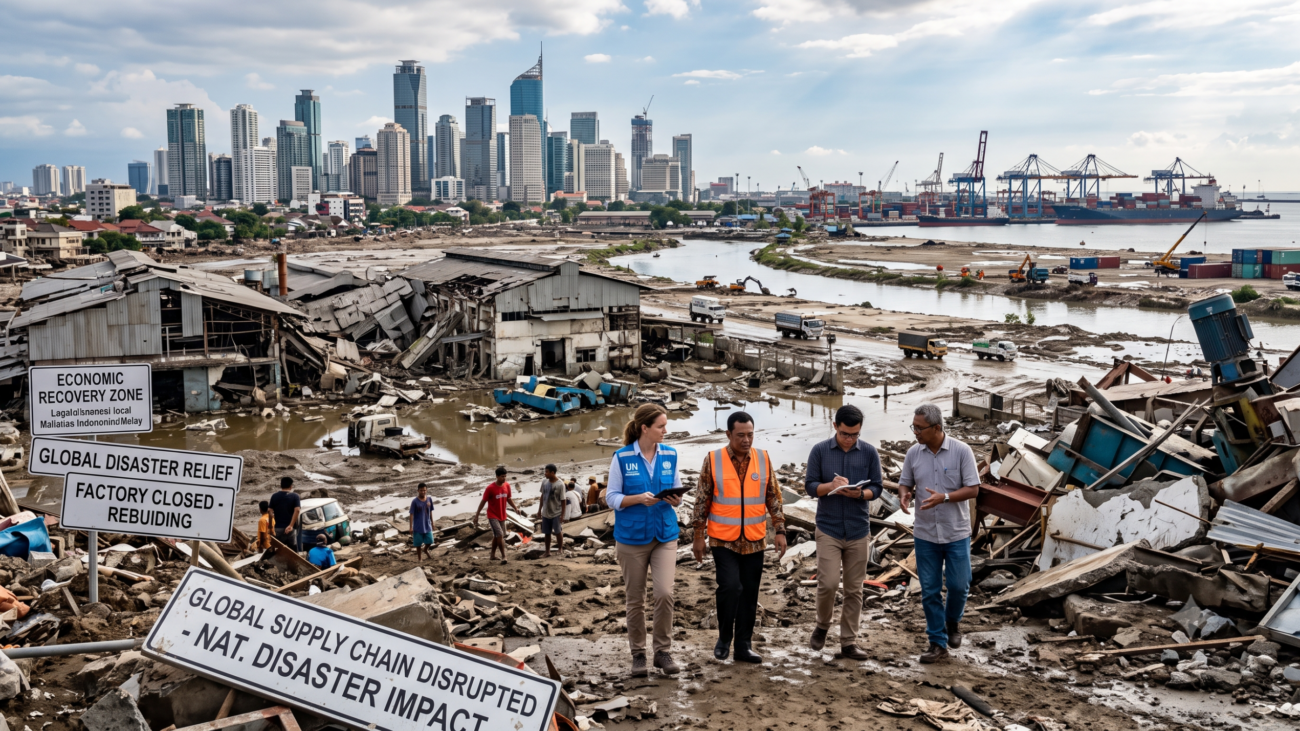
Natural disasters have become more frequent and severe in recent years, leaving a lasting impact not only on communities but also on national and global economies. Earthquakes, floods, hurricanes, wildfires, tsunamis, droughts, and volcanic eruptions disrupt lives, destroy infrastructure, and strain government resources. As climate change continues to intensify extreme weather events, the economic consequences of natural disasters are becoming increasingly significant.
From damaged transportation networks and reduced agricultural output to supply chain disruptions and declining tourism, natural disasters affect every sector of the economy. Understanding these economic impacts is essential for governments, businesses, and policymakers to develop effective disaster preparedness and recovery strategies.
Understanding the Economic Cost of Natural Disasters
The economic impact of natural disasters can be categorized into two main types:
1. Direct Economic Losses
These include immediate physical damage caused by disasters, such as:
Destruction of homes and commercial buildings
Damage to roads, bridges, airports, and railways
Loss of agricultural crops and livestock
Damage to factories and industrial facilities
Power outages and communication failures
The cost of rebuilding damaged infrastructure often requires billions of dollars, placing enormous pressure on government budgets.
2. Indirect Economic Losses
Indirect losses occur after the disaster and can continue for months or even years. These include:
Business interruptions
Reduced industrial production
Job losses
Supply chain disruptions
Lower consumer spending
Declining exports
Reduced tax revenues
Although less visible, indirect losses often exceed direct damages over the long term.
Impact on Gross Domestic Product (GDP)
Natural disasters can significantly slow economic growth by reducing a country’s Gross Domestic Product (GDP). When industries stop operating and infrastructure is damaged, production declines across multiple sectors.
Developing countries are particularly vulnerable because they often have limited financial resources for disaster recovery. A single major disaster can erase years of economic progress.
However, some developed economies experience a temporary increase in GDP during reconstruction due to increased construction activity and infrastructure investment. While rebuilding stimulates economic activity, it does not fully compensate for the original losses.
Effects on Infrastructure
Infrastructure is the backbone of every economy. Natural disasters frequently damage:
Highways
Rail networks
Airports
Ports
Electricity grids
Water supply systems
Telecommunications
Damaged infrastructure delays transportation, increases logistics costs, and slows business operations. Companies face higher operational expenses, while consumers experience shortages and rising prices.
Infrastructure reconstruction often becomes one of the largest government expenditures after a disaster.
Impact on Agriculture
Agriculture is among the sectors most vulnerable to natural disasters.
Floods destroy crops, droughts reduce harvests, and hurricanes damage plantations. Livestock losses further reduce agricultural productivity.
Economic consequences include:
Food shortages
Higher food prices
Reduced farmer income
Increased dependence on food imports
Rising inflation
Countries heavily dependent on agriculture suffer significant GDP losses when disasters affect crop production.
Disruption of Global Supply Chains
Today’s economies are interconnected through global supply chains.
A disaster affecting one manufacturing hub can create worldwide shortages.
For example:
Factory shutdowns delay production.
Port closures interrupt international trade.
Transportation damage slows deliveries.
Raw material shortages increase manufacturing costs.
Industries such as electronics, automobiles, pharmaceuticals, and consumer goods often experience production delays when suppliers are affected by natural disasters.
These disruptions increase prices for businesses and consumers across the globe.
Impact on Employment
Natural disasters often force businesses to close temporarily or permanently.
This leads to:
Job losses
Reduced wages
Lower household income
Increased unemployment
Small and medium-sized businesses (SMEs) are particularly vulnerable because many lack adequate insurance or emergency financial reserves.
In severe disasters, millions of workers may lose employment, reducing overall consumer spending and slowing economic recovery.
Rising Government Expenditure
Governments play a central role in disaster response and recovery.
Public spending increases dramatically due to:
Emergency rescue operations
Healthcare services
Temporary shelters
Infrastructure reconstruction
Financial assistance programs
Agricultural support
Disaster relief funds
If government revenues decline simultaneously due to reduced economic activity, fiscal deficits may increase significantly.
Many countries must borrow heavily or seek international financial assistance to fund recovery efforts.
Insurance and Financial Markets
Natural disasters create substantial financial risks for insurance companies.
Insurance providers often receive thousands of claims within days after a major disaster.
As losses increase:
Insurance premiums rise.
Reinsurance costs increase.
Investment markets become volatile.
Property values decline in high-risk regions.
Investors may also become cautious about investing in disaster-prone areas, reducing long-term economic growth.
Impact on Tourism
Tourism contributes significantly to many national economies.
Natural disasters can severely affect tourism by damaging:
Hotels
Beaches
National parks
Historical monuments
Transportation facilities
Negative media coverage may discourage visitors long after infrastructure has been repaired.
Countries heavily dependent on tourism often experience:
Reduced foreign exchange earnings
Job losses in hospitality
Declining local business revenues
Recovery in tourism may take several years.
Inflation and Rising Living Costs
Natural disasters frequently disrupt production and transportation, reducing the supply of essential goods.
This creates inflationary pressure through:
Higher food prices
Increased fuel costs
Rising construction material prices
Expensive transportation
Higher housing costs
Inflation reduces purchasing power and places additional financial pressure on households, especially low-income families.
The Role of Climate Change
Climate change is increasing the frequency and intensity of many natural disasters.
Scientists have observed rising occurrences of:
Extreme rainfall
Heatwaves
Wildfires
Coastal flooding
Stronger hurricanes
As disasters become more frequent, governments face growing economic risks.
Investments in climate adaptation, resilient infrastructure, and disaster preparedness have become essential components of long-term economic planning.
Building Economic Resilience
Reducing the economic impact of natural disasters requires proactive planning.
Key strategies include:
Investing in disaster-resistant infrastructure
Strengthening early warning systems
Expanding disaster insurance coverage
Improving emergency response capabilities
Encouraging climate-resilient agriculture
Diversifying national economies
Enhancing public awareness and disaster education
Public-private partnerships can also improve disaster preparedness while reducing financial risks.
International Cooperation
Natural disasters often require international collaboration.
Organizations such as the United Nations, the World Bank, regional development banks, and humanitarian agencies provide financial assistance, technical expertise, and emergency aid to affected countries.
International cooperation helps accelerate recovery while supporting long-term economic resilience.
Sharing technology, disaster prediction systems, and best practices enables countries to prepare more effectively for future disasters.
Conclusion
Natural disasters are no longer isolated humanitarian events—they have become major economic challenges with global consequences. Their effects extend far beyond immediate destruction, disrupting infrastructure, trade, agriculture, employment, tourism, and financial markets. As climate change continues to increase the frequency and intensity of extreme weather events, the economic risks faced by countries around the world will continue to grow.
Building resilient infrastructure, investing in disaster preparedness, strengthening insurance systems, and promoting sustainable development are essential steps toward minimizing future economic losses. Governments, businesses, and international organizations must work together to create economies that can withstand and recover quickly from natural disasters.
Ultimately, investing in resilience today is far more cost-effective than rebuilding after catastrophe. By preparing for future disasters, nations can protect both their citizens and their economic prosperity for generations to come.

Leave A Comment